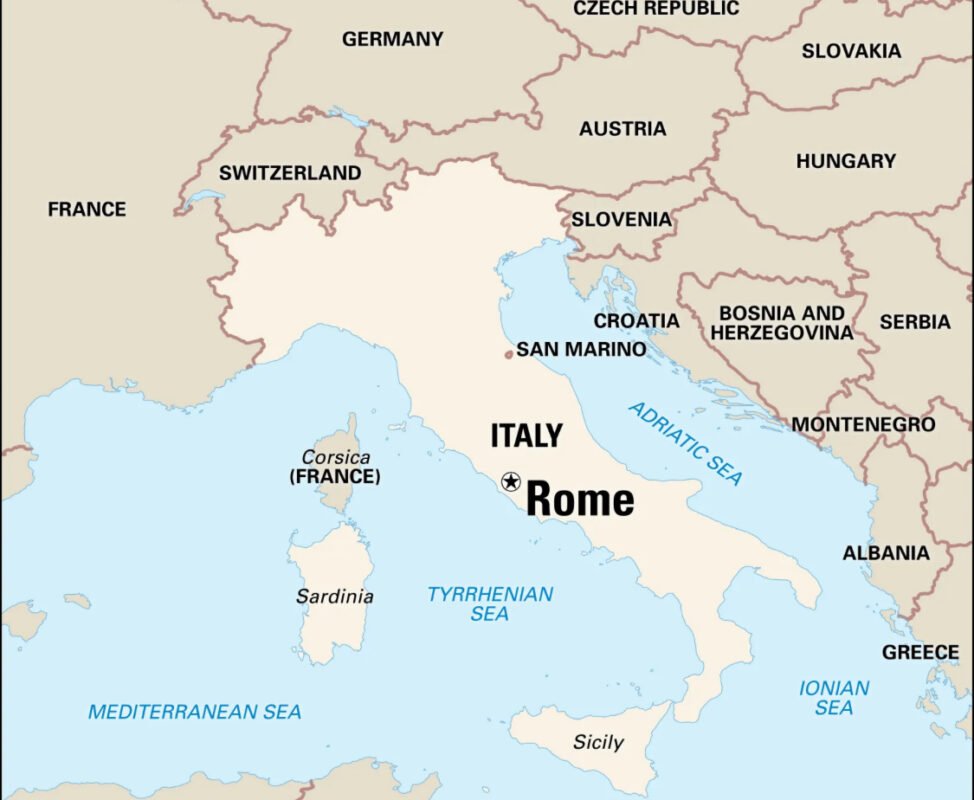
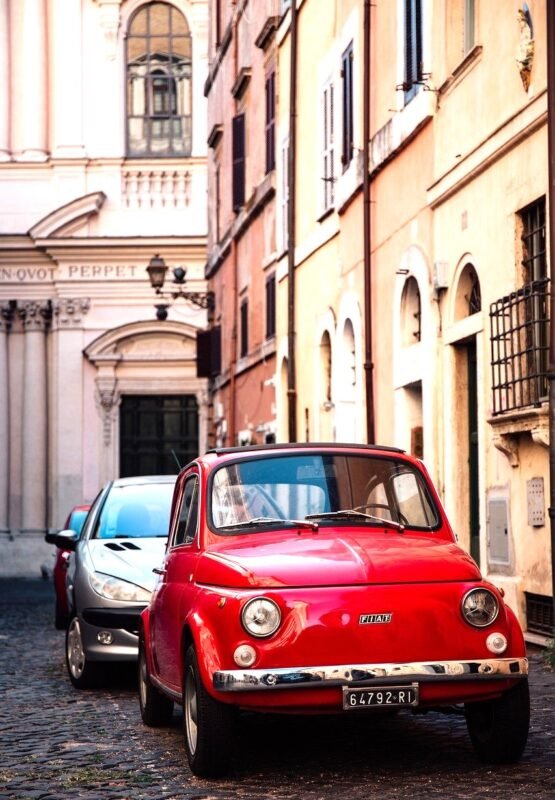
Introduction
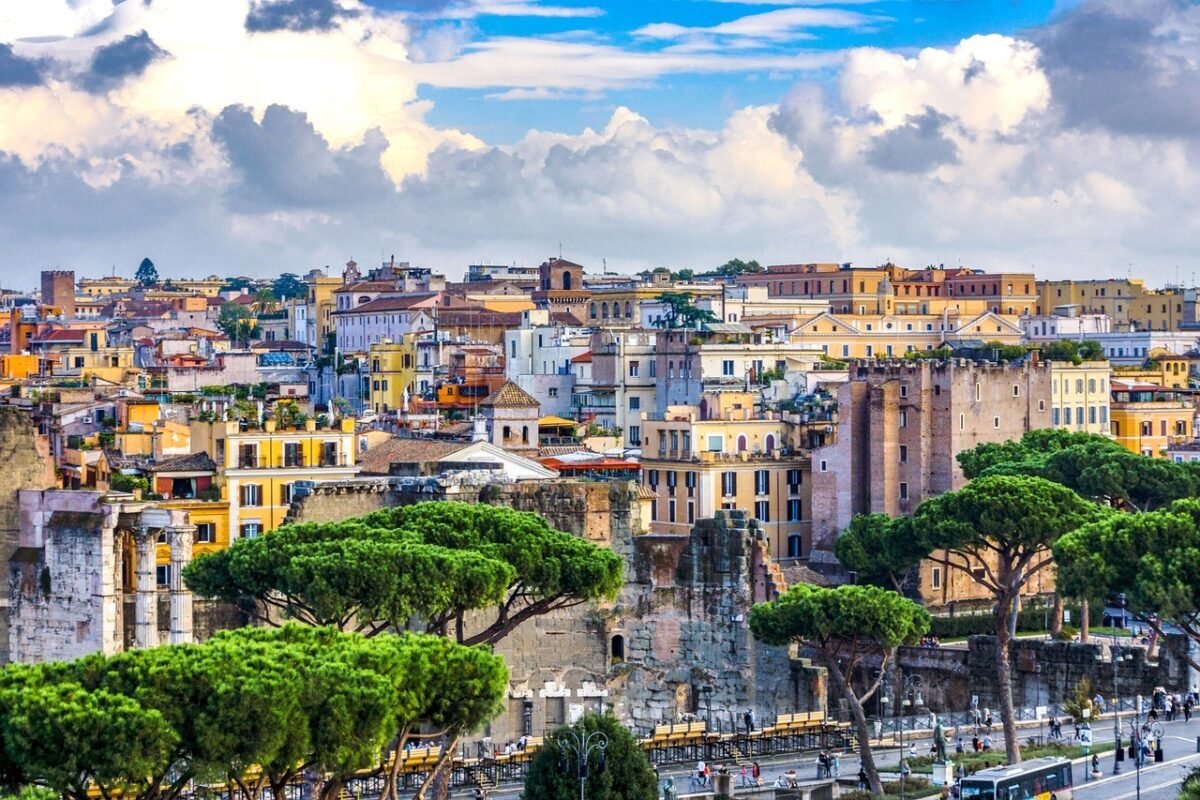
Our journey begins in this quaint valley nestled among the legendary seven hills of Rome: the Palatine, Aventine, Capitoline, Quirinal, Viminal, Esquiline, and Caelian Hills. Among these, the Palatine and Capitoline hold the most historical importance.
According to legend, it was on the Palatine Hill that the she-wolf (lupa) nursed the twin brothers Romulus and Remus, leading Romulus to establish the city of Rome.
Classical Rome thrived for about a millennium, spanning from 500 B.C. to 500 A.D. Its rise lasted approximately 500 years, followed by a peak of about 200 years, before experiencing a decline of over 300 years.
Baroque Rome
Rome, a city bursting with history, is where the stunning Baroque style truly came to life!
In the seventeenth century, Gian Lorenzo Bernini crafted a captivating and expressive language for this mesmerizing art form. Often hailed as the father of the Baroque movement, he is celebrated as one of the greatest sculptors of the 17th century, leaving an indelible mark on art and architecture that continues to inspire today!
To see his works of art in Rome, visit:
- St. Peter’s Basilica
- Piazza Navona (Fountain of the Four Rivers)
- Galleria Borghese (Sculptures)
- Church of Santa Maria della Vittoria (Cornaro Chapel)
Exploring Rome
Rome is rich in magnificent art and culture, offering a wealth of sights to admire. The bulk of what you want to see is located east of the Tiber (Tevere) River.
However, several important landmarks are on the other side: St. Peter’s Basilica and the Vatican, Castel Sant’Angelo, and the colorful Trastevere neighborhood.
Rome is also a very walkable city. Grab a city map or download an app and let your eyes guide you through this beautiful ancient city!
I highly recommend that, once you’ve settled into your hotel, you take one of the Hop-on Hop-off Bus tours. There are several to choose from, depending on what you want to explore. I also suggest sitting on the top deck to get a great view of the city.
Must-See Attractions
Colosseum
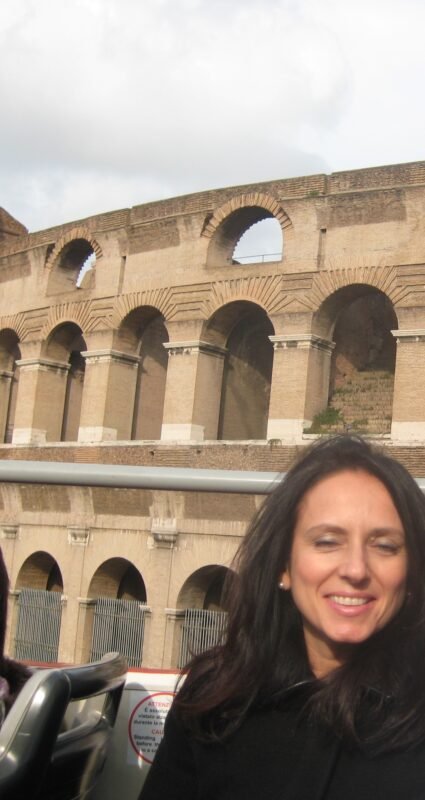
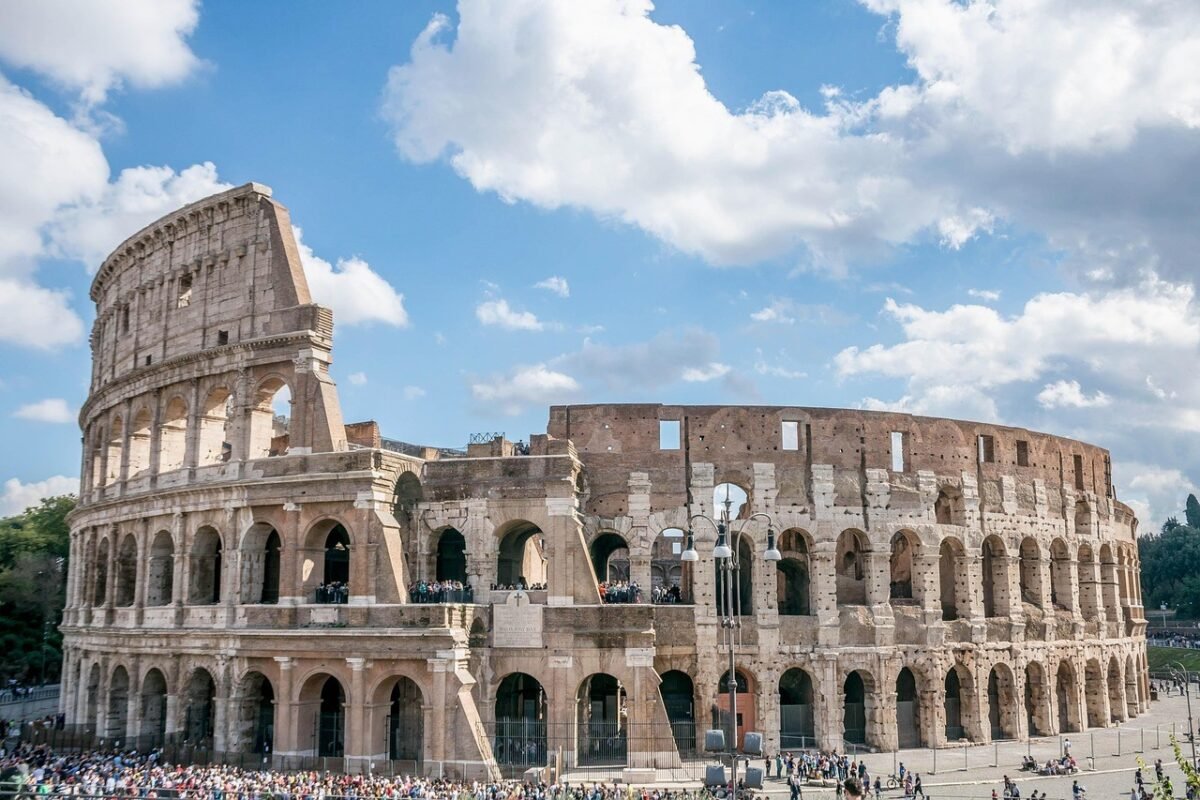
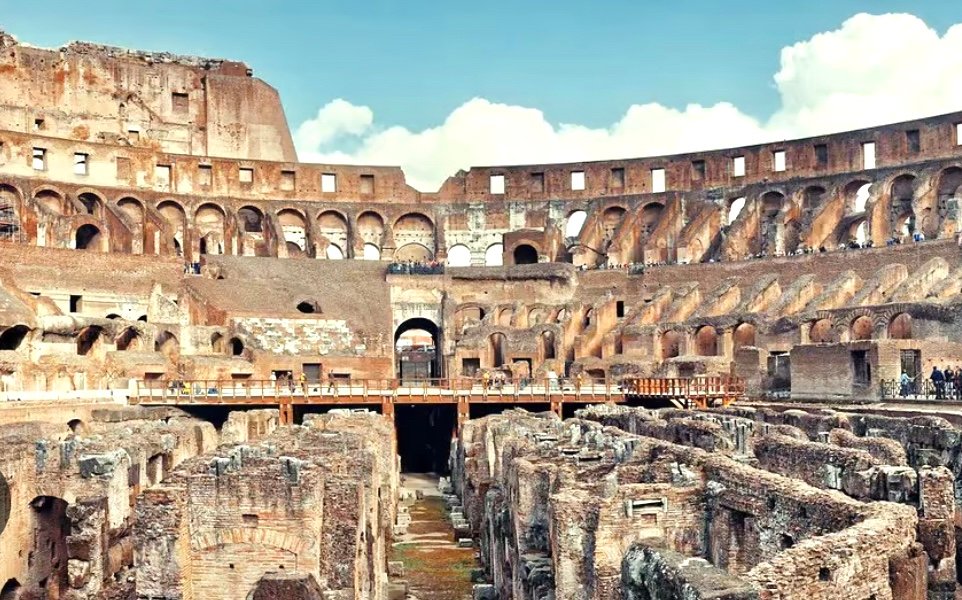
This iconic amphitheater began construction under the Roman emperor Vespasian between 70 and 72 AD and was completed in 80 CE by Titus, Vespasian’s son and successor.
Primarily used for gladiatorial contests, animal hunts, and public executions, it served as a venue for entertainment and spectacle for the Roman people. It has been estimated that around 400,000 people perished in the Colosseum over the 350 years it was in use.
Today, this magnificent piece of architecture still stands tall, reminding us of the rich history of ancient Rome and offering us a small glimpse into its past.
Roman Forum
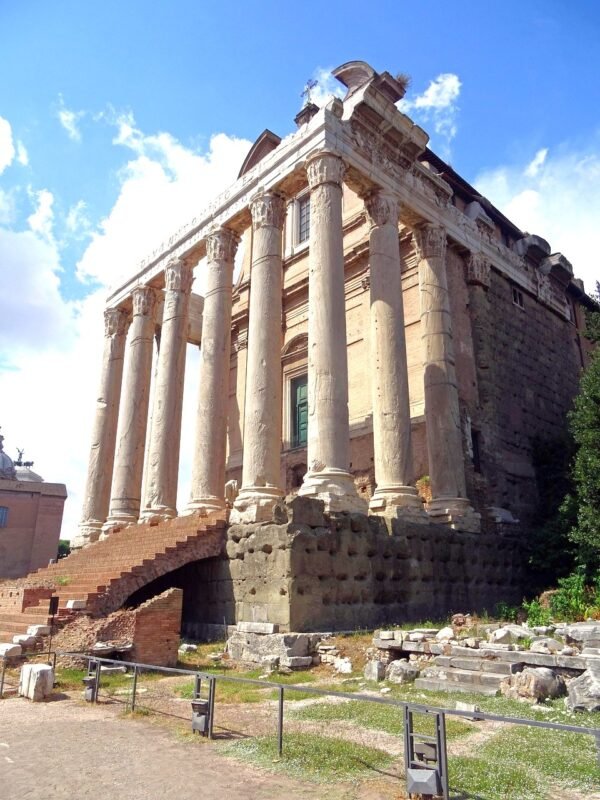
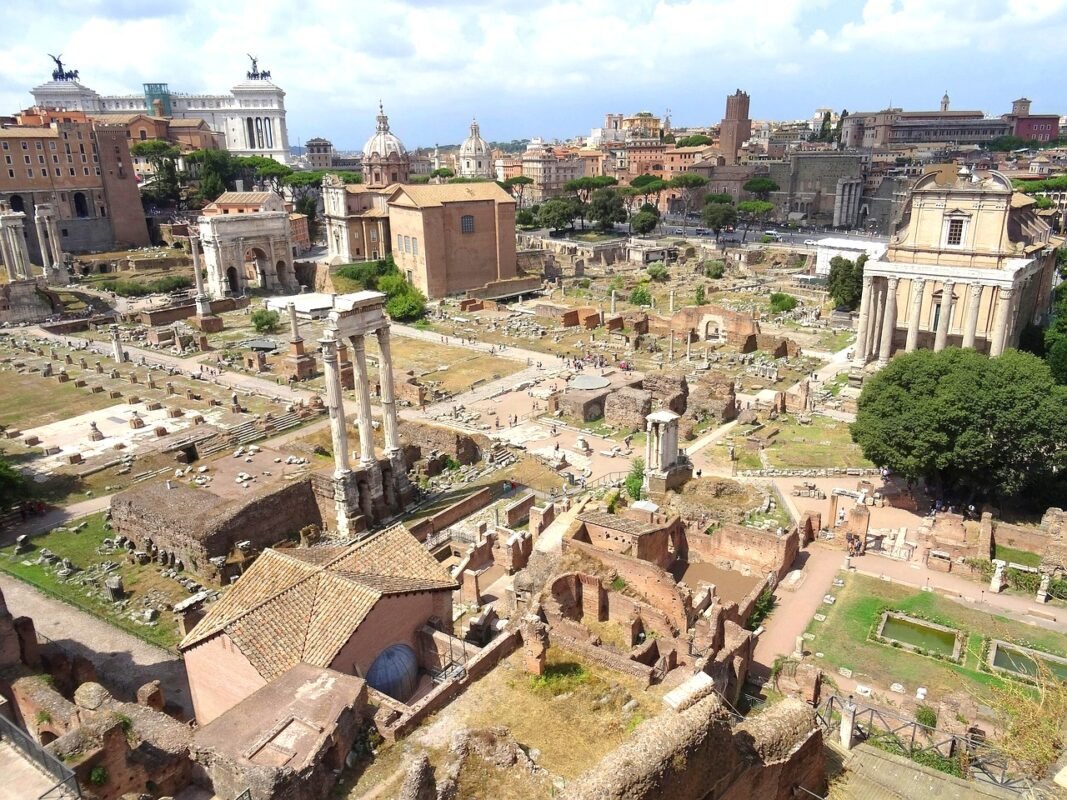
The Roman Forum, situated between Piazza Venezia and the Colosseum, was considered the most significant forum in ancient Rome.
It is the birthplace of ancient Rome and its civic center, as well as the common ground between Rome’s famous seven hills. It is situated on low-lying ground between the Palatine and Capitoline hills.
This site served as a venue for public assemblies, judicial proceedings, and gladiatorial contests during the Roman Republic, and was bordered by various shops and open-air markets.
During the imperial period, it evolved into a prominent center for both religious and secular spectacles and ceremonies, housing many of the city’s grandest temples and monuments.
Among the structures that remain, either entirely or partially, are the Temple of Castor and Pollux, the Temple of Deified Caesar, the Mamertine Prison, the Curia (the Senate House), the Temple of Saturn, and Cloaca Maxima.
Piazza Navona
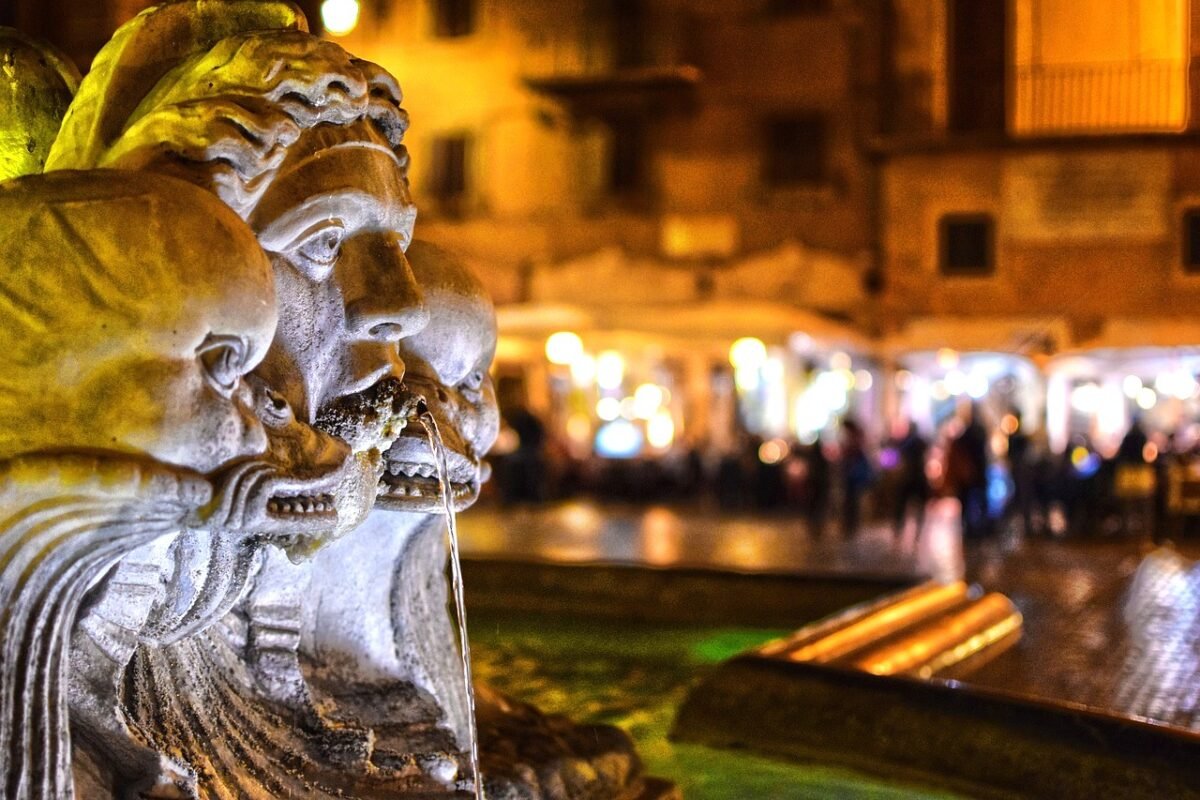
Three majestic, baroque fountains decorate Rome’s most famous piazza. With the center fountain, the Four Rivers Fountain by Gian Lorenzo Bernini is the most famous.
This piazza has an interesting nighttime scene, featuring street music, fire-eaters, artists, and outdoor cafes, making it a great place to truly enjoy.
Trevi Fountain
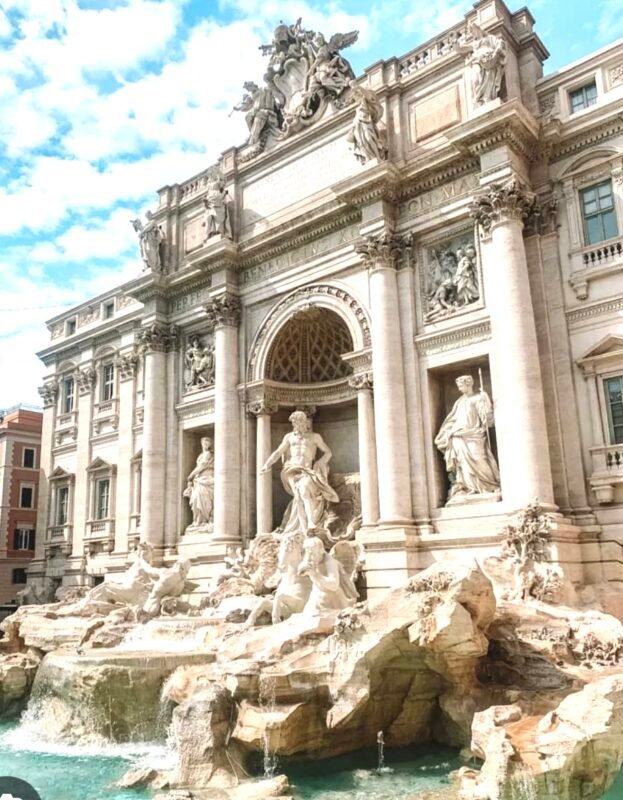
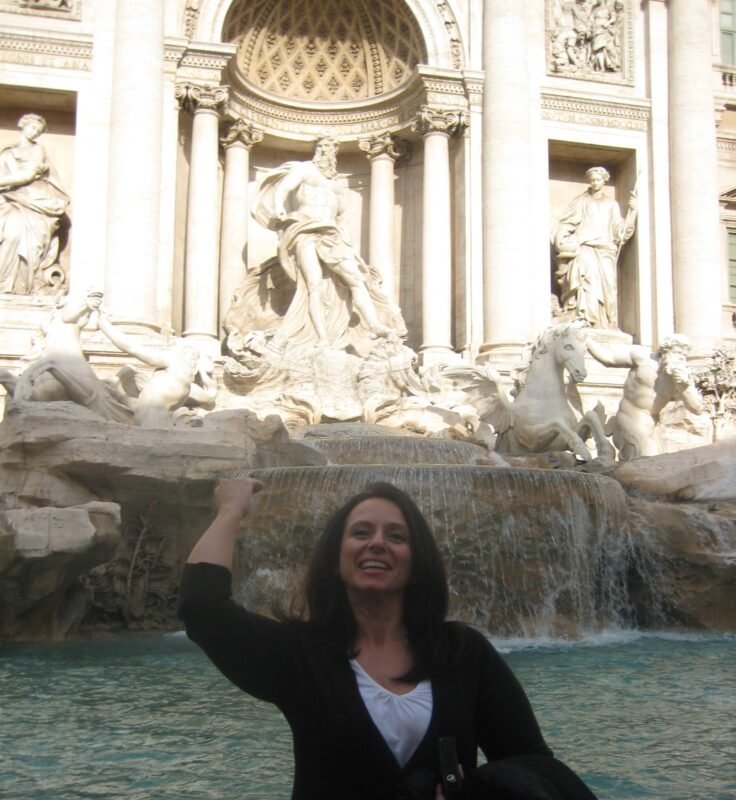
This is the most beautiful and spectacular fountain in Rome. Millions of people visit every year to toss in their coins and make a wish to ensure a return trip to Rome. The coins are collected daily and used to feed the poor in Rome.
Piazza di Spagna & the Spanish Steps
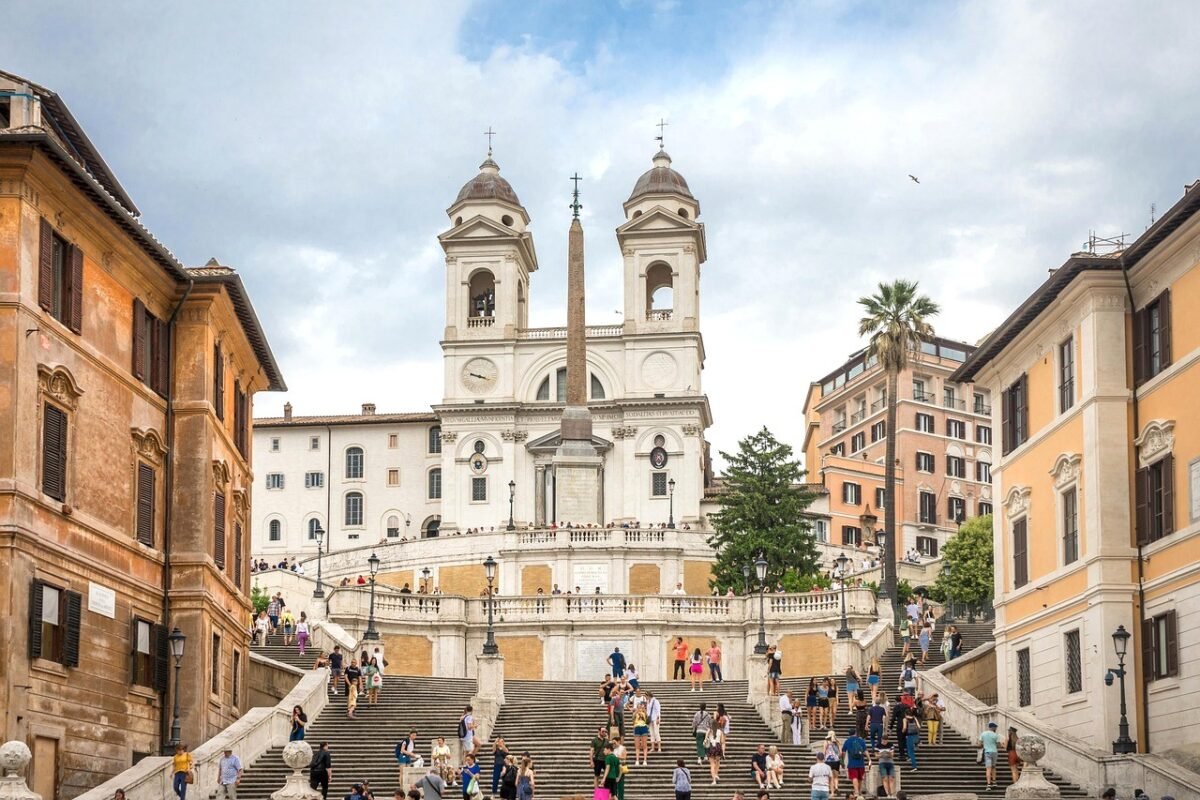
One of Rome’s iconic sights features 138 steps that fan out around a central terrace halfway up, forming an irregular butterfly shape.
The design culminates at the top in an obelisk framed by two Baroque church towers. At the foot of the steps is the Sinking Boat Fountain, built in the 18th century by Gian Lorenzo Benini’s father, Pietro.
Enjoy this beautiful architectural structure and the delicious gelato sold nearby.
⚠️ Note: Avoid sitting on the stairs — fines of 250 euros may apply.
Pantheon
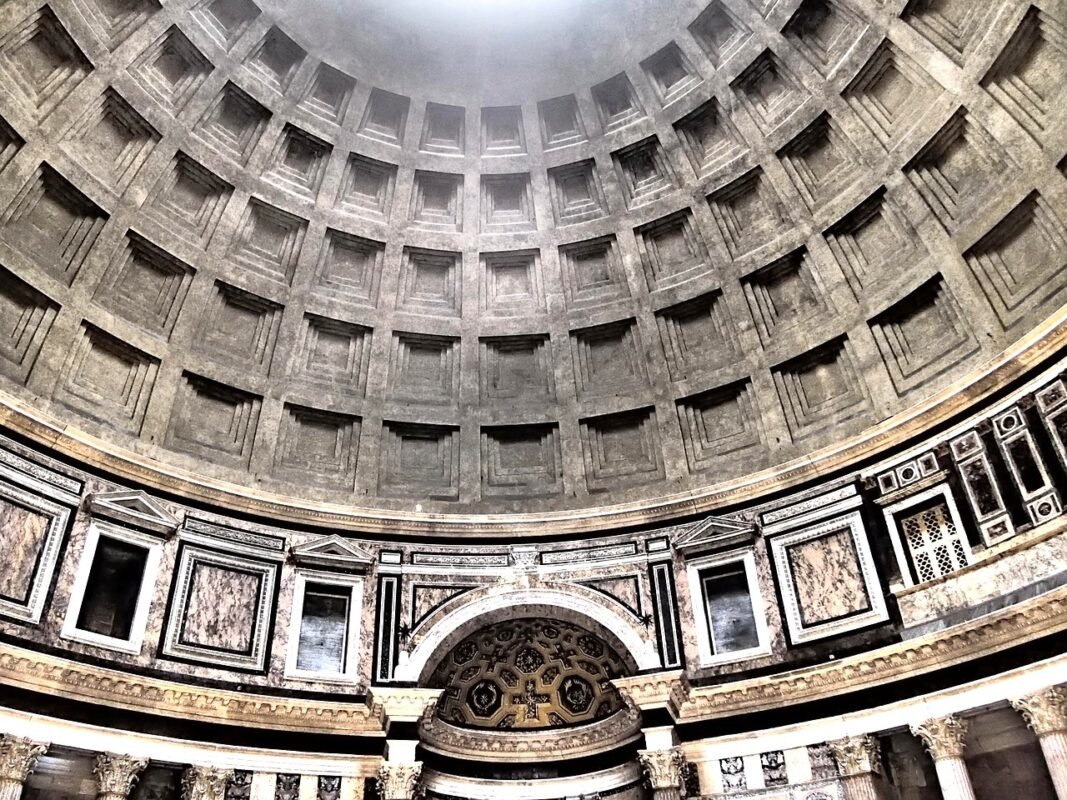
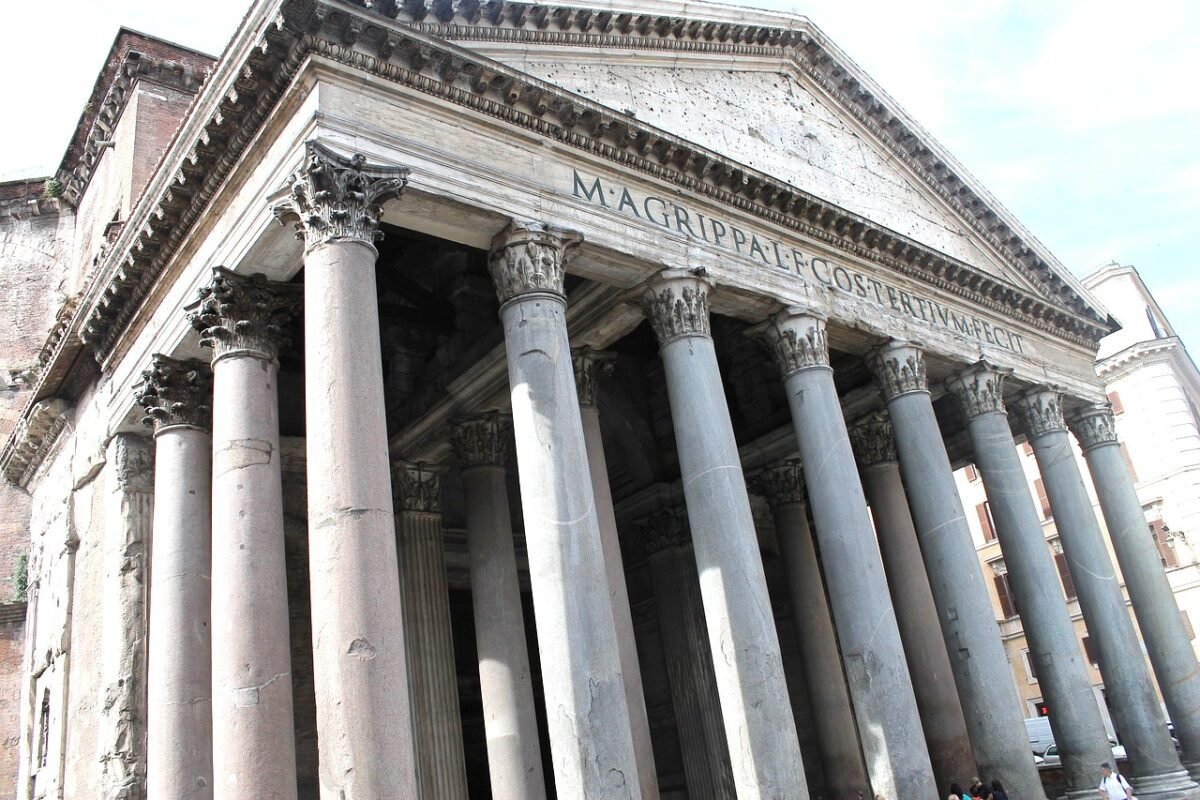
A masterpiece of Roman architecture, this magnificent structure was completed by Hadrian in 126 AD, featuring a surprising oculus that serves as the building’s primary source of natural light.
The building has a diameter equal to its height, measuring 43.5 meters. The Renaissance architect Raphael is buried here.
Food highlight nearby: Michelin-starred restaurant La Ciambella.
Catacombs
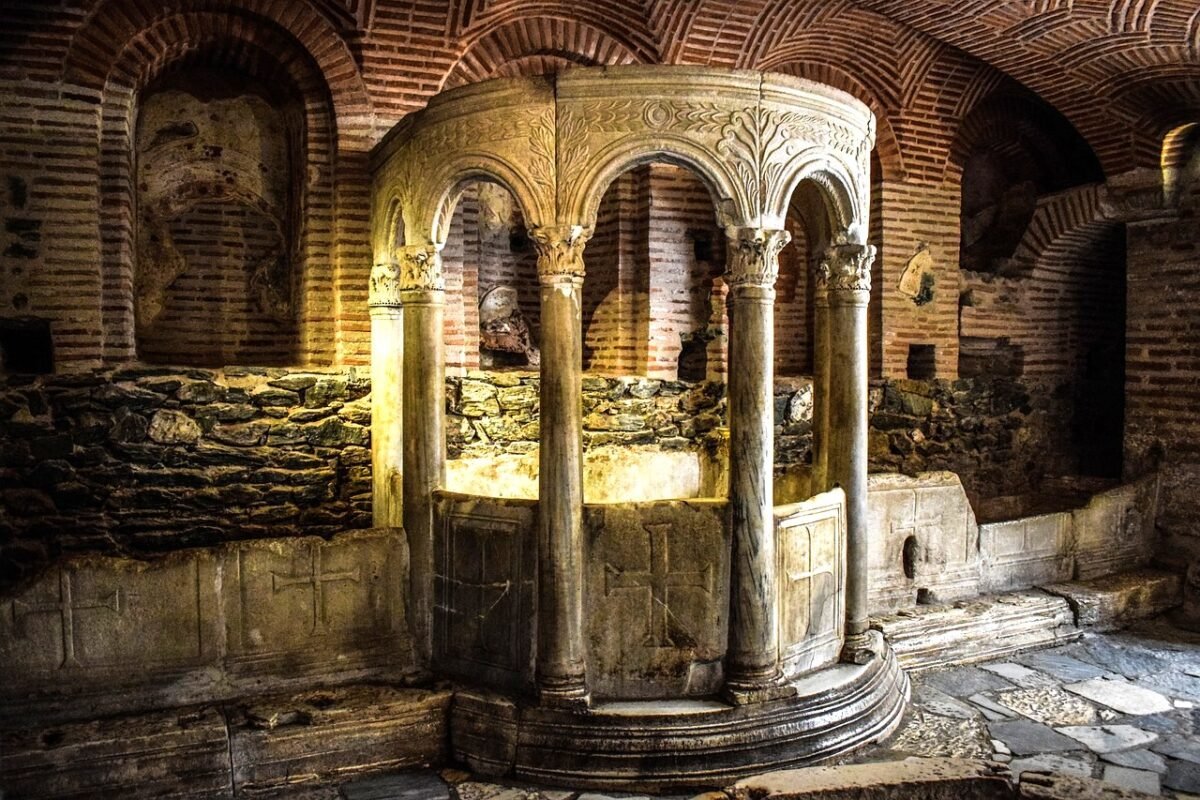
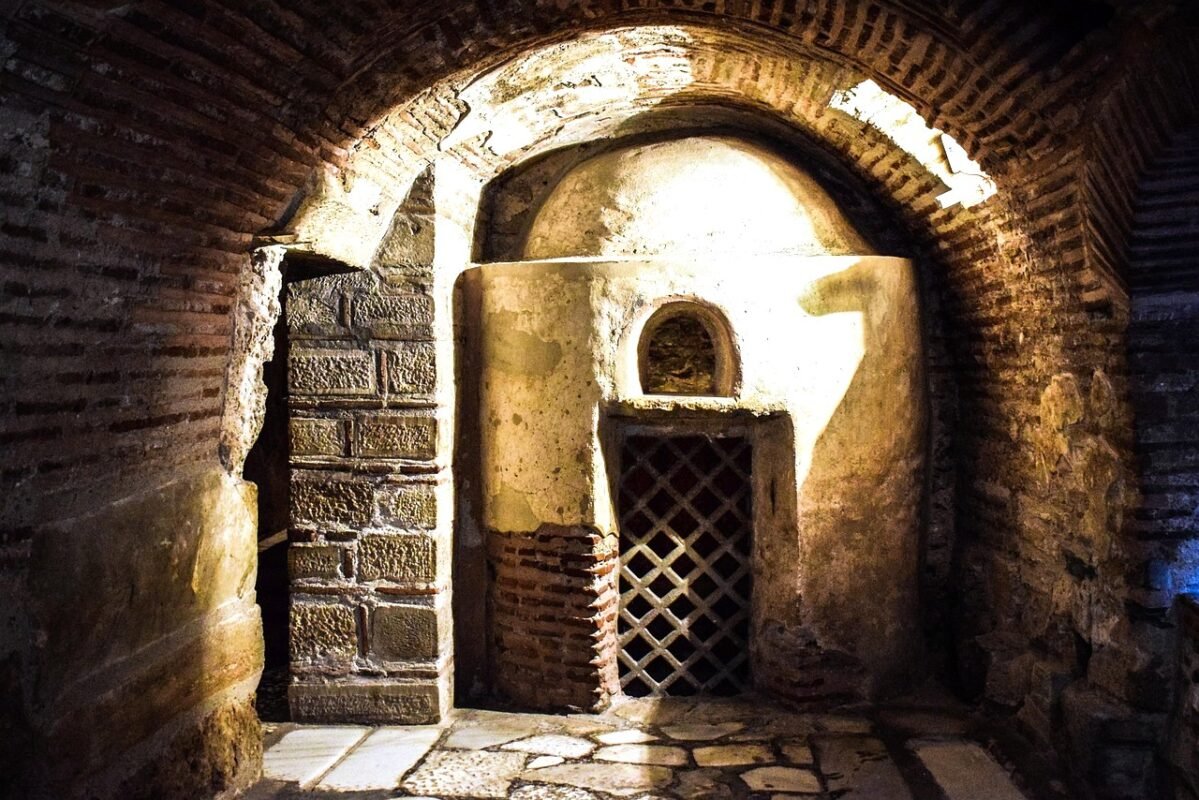
The catacombs are underground passageways that were utilized by Christians and Jews for burial purposes. They disagreed with the pagan practice of cremating the deceased, leading them to establish these extensive underground cemeteries.
In Rome, there are over sixty catacombs consisting of hundreds of kilometers of underground passageways that contain thousands of tombs. Currently, only five are open to the public. You can book a tour to visit the catacombs and monuments on the Via Appia.
Vatican City
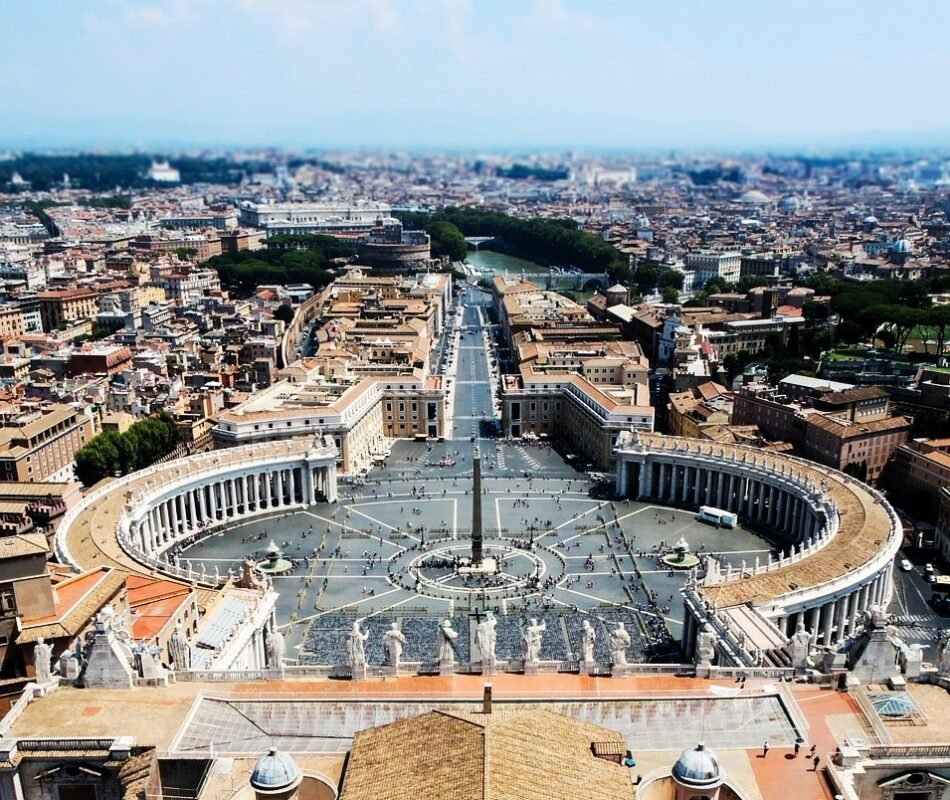
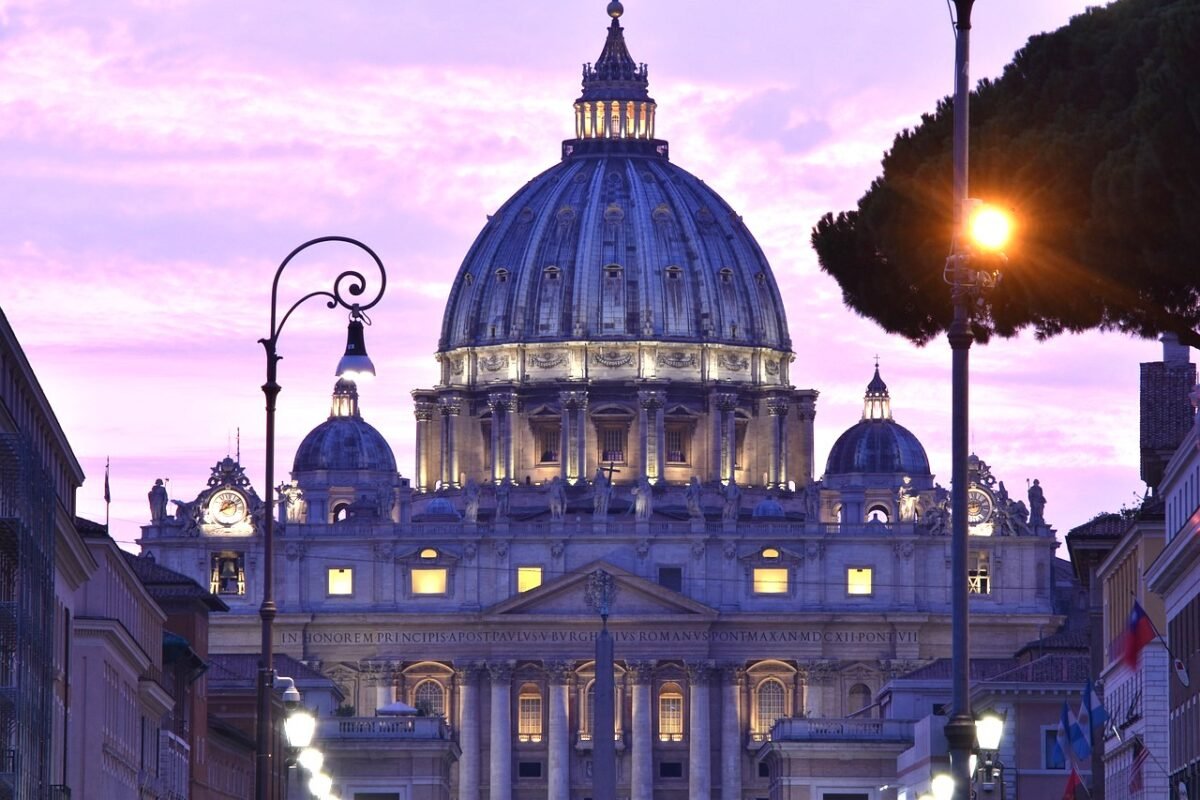
The world’s smallest country, covering just 0.2 square miles, yet it packs a lot into that space, including the largest Catholic church and the world’s finest museums.
St. Peter’s Basilica
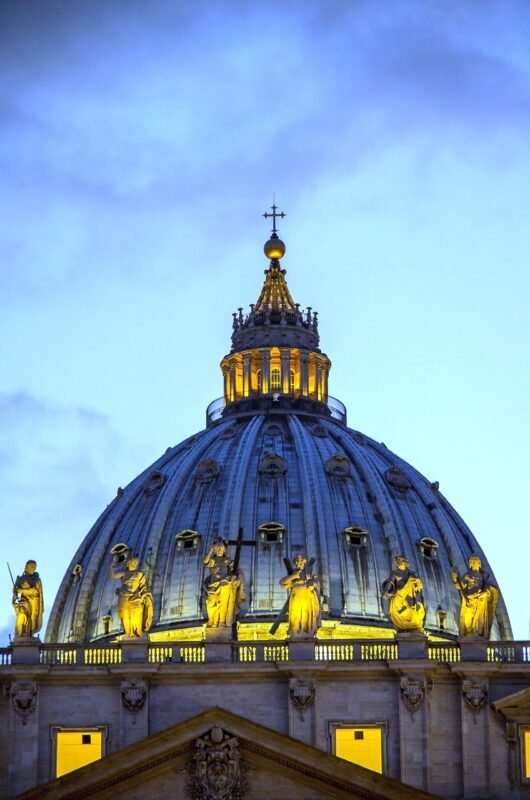
The Basilica is situated within the Vatican City. One of the largest churches in the world, its nave is two football fields long.
It is the holiest temple for Christendom, where many Popes have been buried. Built in the Baroque and Renaissance style, highlighting the works of Bramante, Michelangelo, and Carlo Maderno.
Upon entering, take note of the famous Pieta, a sculpture by Michelangelo, located behind bulletproof glass.
Sistine Chapel
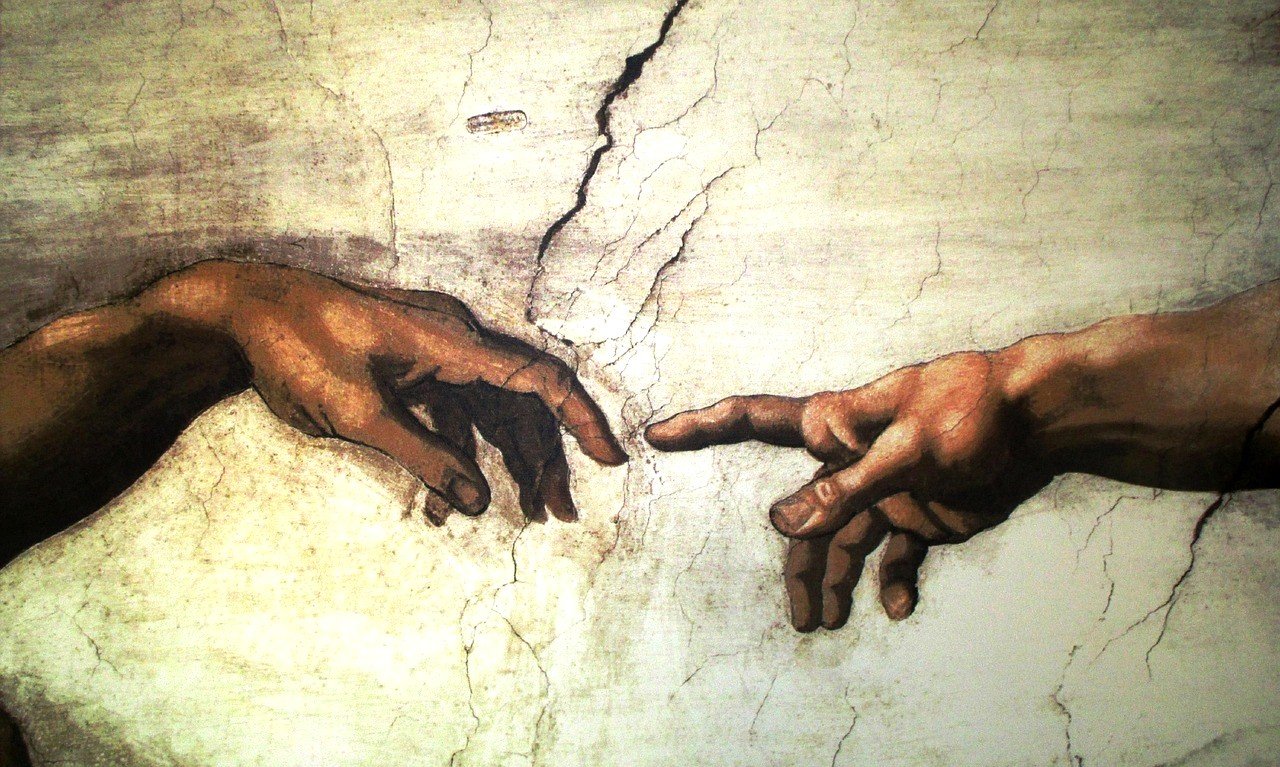
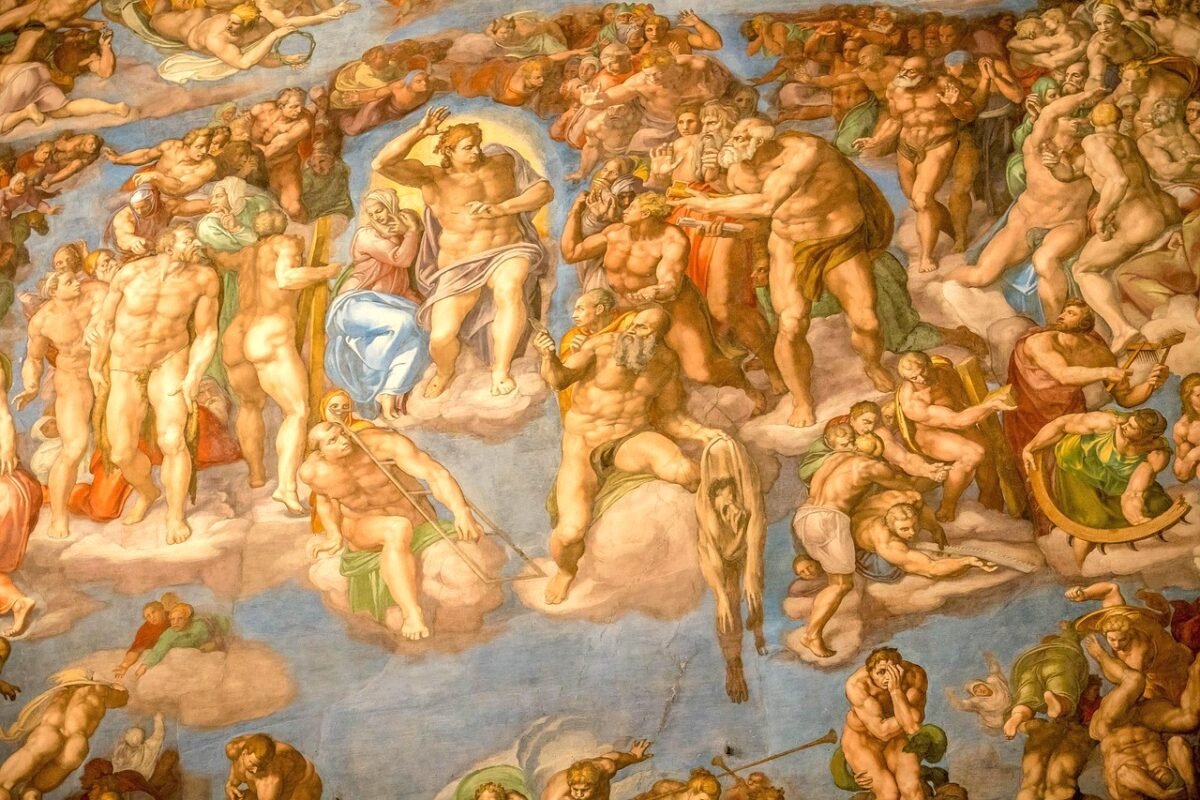
Michelangelo labored for four years, from 1508 to 1512, to paint the ceiling of the Sistine Chapel. The “Creation of Adam,” located at the center of the ceiling, is one of the best-known and most reproduced images in history.
Castel Sant’Angelo
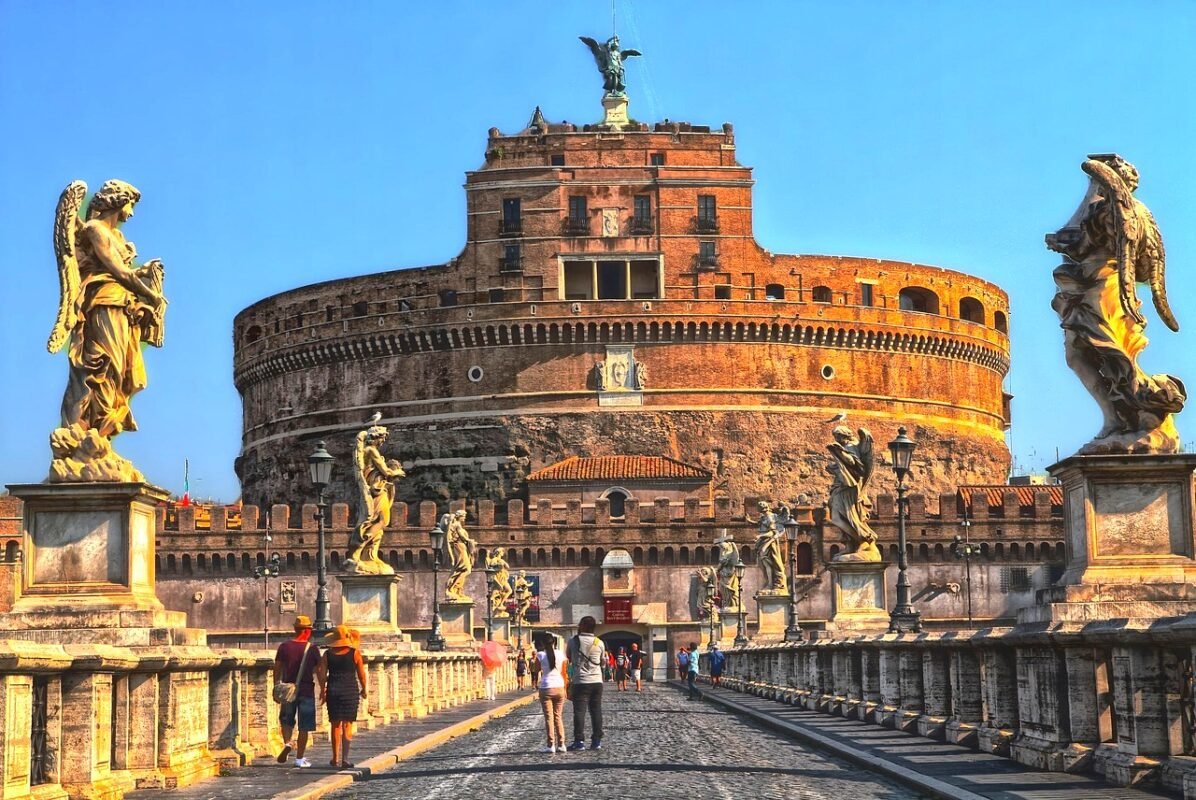
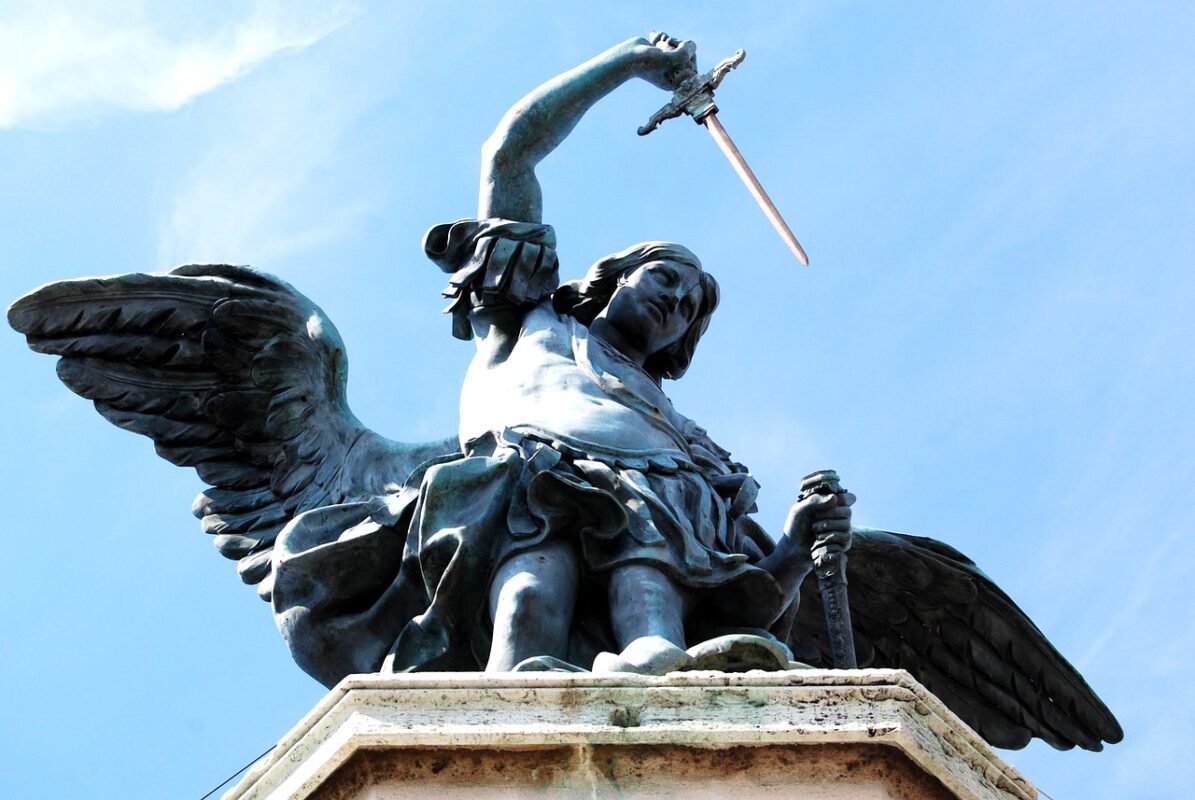
Today, Castel Sant’Angelo is a museum, but in ancient times, it served as a mausoleum tomb for Emperor Hadrian, built in A.D. 135.
In the Middle Ages, it was used as a castle; in 1527 Pope Clement VII hid here; later, it was a military prison.
Visit this magnificent structure and enjoy one of the best views of Rome from the rooftop terrace.
Campo de’ Fiori
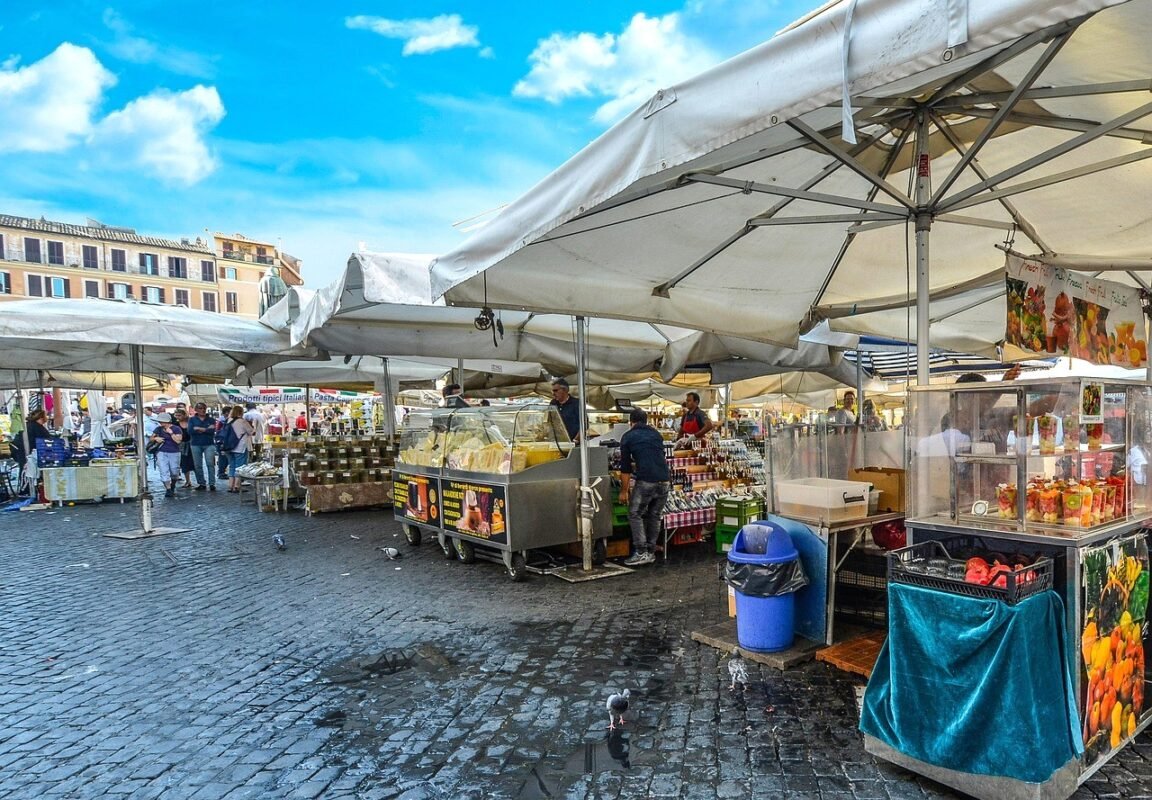
Campo de’ Fiori began as a “Field of Flowers.” Today, it hosts a vegetable and fruit market by day, and lively cafés by night.
In the center of the piazza stands a statue of monk Giordano Bruno, burned at the stake here in 1600.
Jewish Ghetto
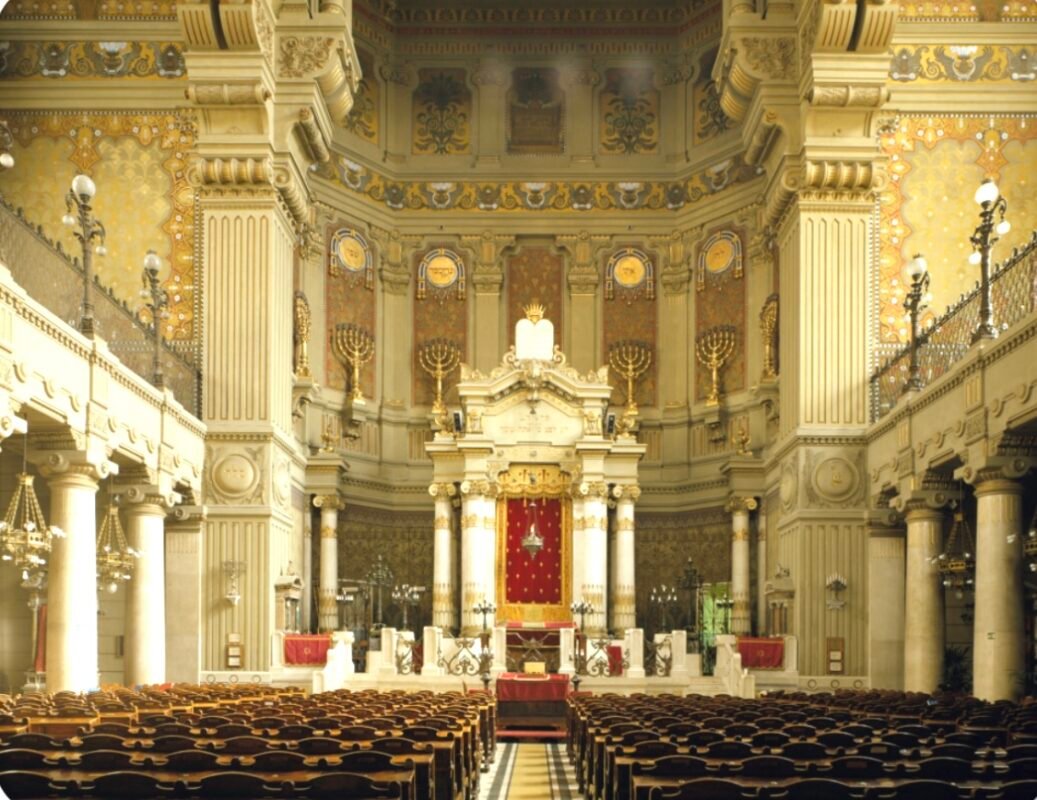
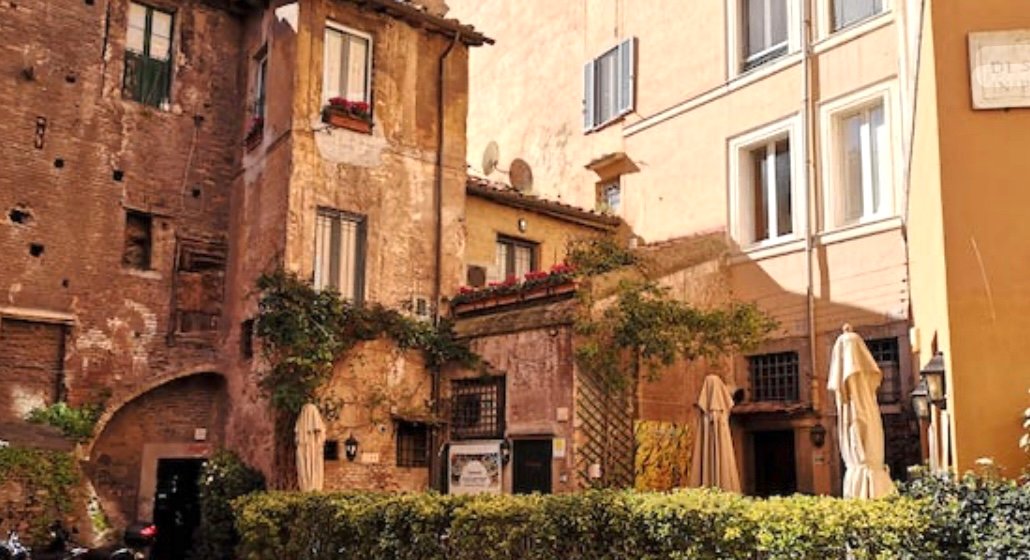
The Jewish Ghetto, located near the Tiber River, was forcibly established in 1555 by Pope Paul IV.
Overcrowded and prone to floods, this was a grim place to live. Later abolished in 1882, the walls were demolished and the area rebuilt.
Sadly, during WWII, more than 1,000 Roman Jews were sent to concentration camps.
Today, the Great Synagogue and Spanish Synagogue stand here as powerful reminders.
Galleria Borghese & Baths of Caracalla
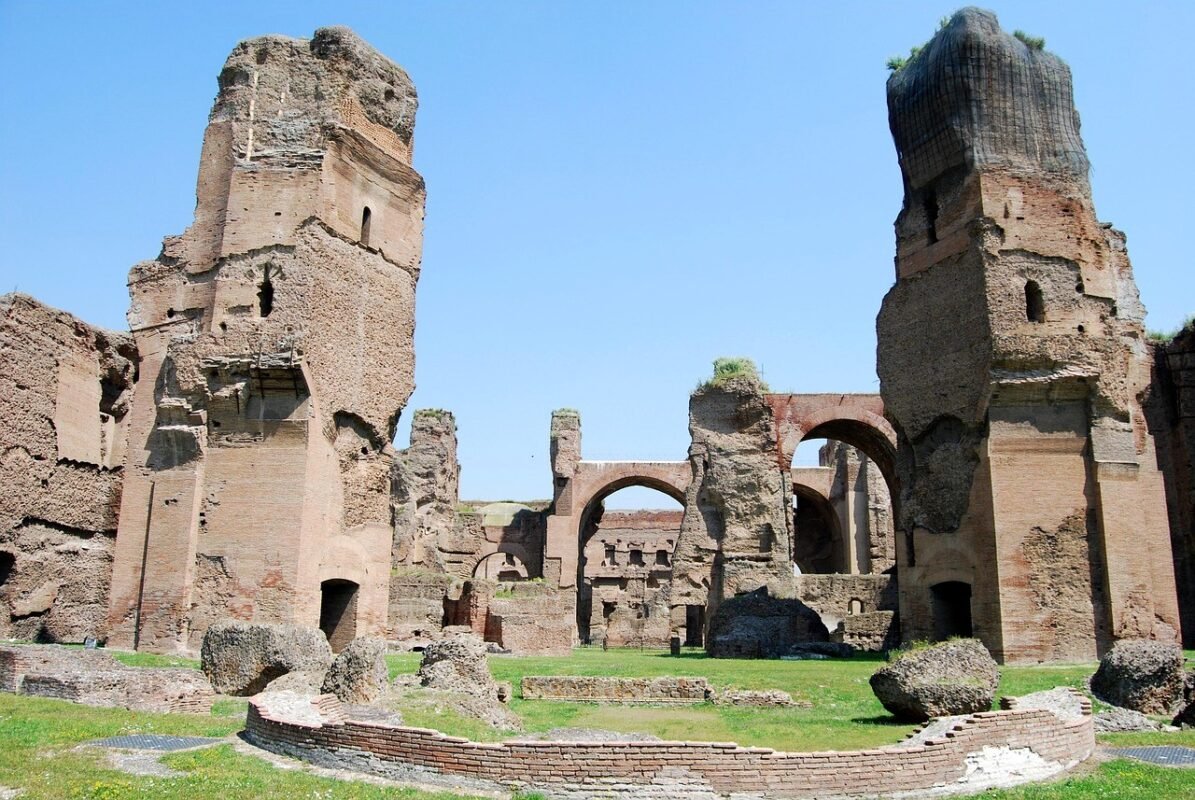
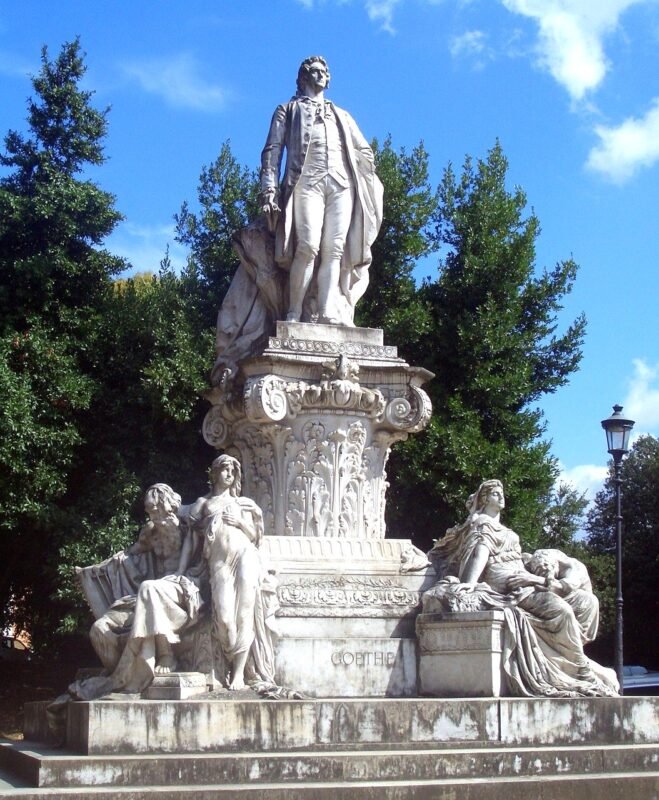
Galleria Borghese: World-class Baroque & Renaissance works (Bernini, Caravaggio, Raphael, Rubens, Titian).
Baths of Caracalla: Massive 27-acre bath complex completed in 217 A.D. Served ~8,000 Romans daily.
Italian Culture & Food
Italian culture takes great pride in its culinary heritage and lifestyle philosophy, encapsulated in the phrase “Il dolce far niente” (“the sweetness of doing nothing”).
There are numerous places to enjoy food, including:
- Mercato di Testaccio (100+ vendors, Roman classics, wine, beer).

Tip: Take a cooking class or a food and wine tour!
Accommodation Highlight
The Inn at the Spanish Steps
Elegant, renovated 18th-century building near Trevi Fountain & Pantheon. Rooftop café with panoramic views.
Recipe from the Trip

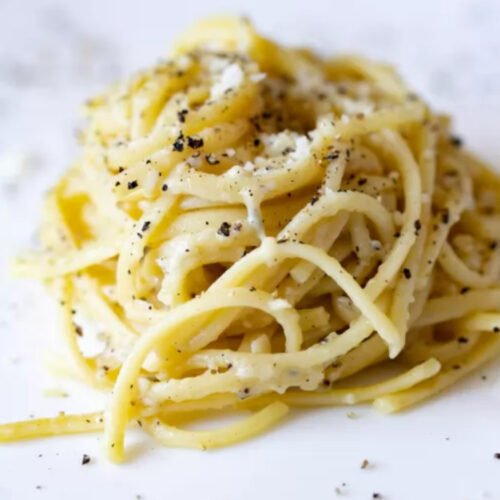
Tonnarelli Cacio e Pepe
Ingredients
- 9 oz tonnarelli pasta
- 3 oz pecorino Romano cheese finely grated
- 6.5 oz cold water
- 30 twists freshly ground black pepper
Instructions
- 1. Bring a large pot of salted water to a rolling boil.2. Add the tonnarelli pasta and cook until al dente according to package instructions.3. While pasta is cooking, freshly grind the black pepper in a dry pan over medium heat until fragrant, about 1-2 minutes.4. In a large bowl, whisk together the grated pecorino Romano cheese and the toasted black pepper.5. Reserve 1 cup of the starchy pasta cooking water before draining.6. Drain the pasta and immediately add it to the cheese and pepper mixture.7. Gradually add the reserved pasta water, starting with 1/4 cup, tossing vigorously to create a creamy sauce.8. Continue adding pasta water as needed until the sauce is silky and coats each strand of pasta.9. Serve immediately in warm bowls, topped with additional pecorino Romano and freshly ground black pepper.


Yvette